The history of how books were made, sold, banned and read: print runs and paper shortages, censorship regimes, circulating libraries, the paperback shift and the distribution systems that decided who could read what. Dates and figures included. For readers interested in books as material history.
The 25-cent book did not arrive by accident. It took a failed subscription club, a wartime logistics program, a contractual loophole, and one underpaid editorial assistant to build the format now taken for granted.
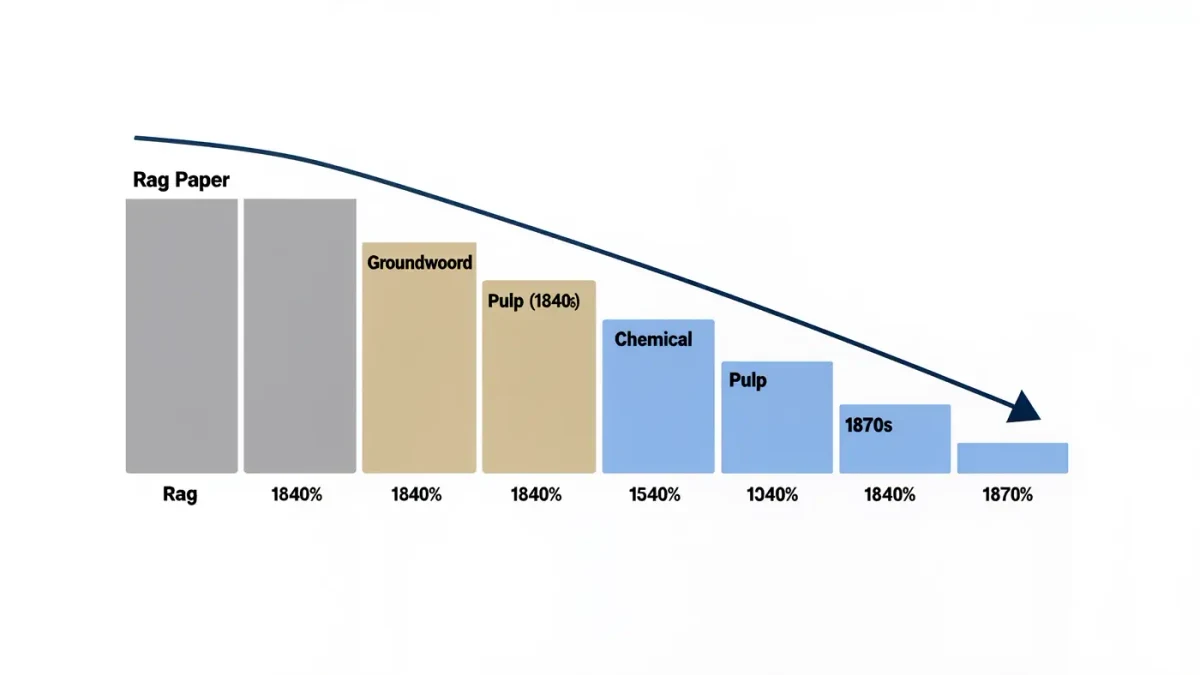
Cheap paper arrived when wood pulp replaced rags in the 1840s — decades before cheap books — and rebuilt newspapers, magazines and popular fiction around volume.
The Library Company of Philadelphia, founded on July 1, 1731 by Franklin’s Junto, was British America’s first successful subscription library — and it continues as a research library on Locust Street.
The Book of Kells (c. 800), kept at Trinity College Dublin since 1661, survives in 340 folios of painted calfskin — including the Chi Rho page, folio 34r, the most reproduced image of early medieval art.
Marginalia — the word popularized by Coleridge — turns private reading into public evidence: a thousand years of readers arguing, summarizing and confessing in the margins of their books.
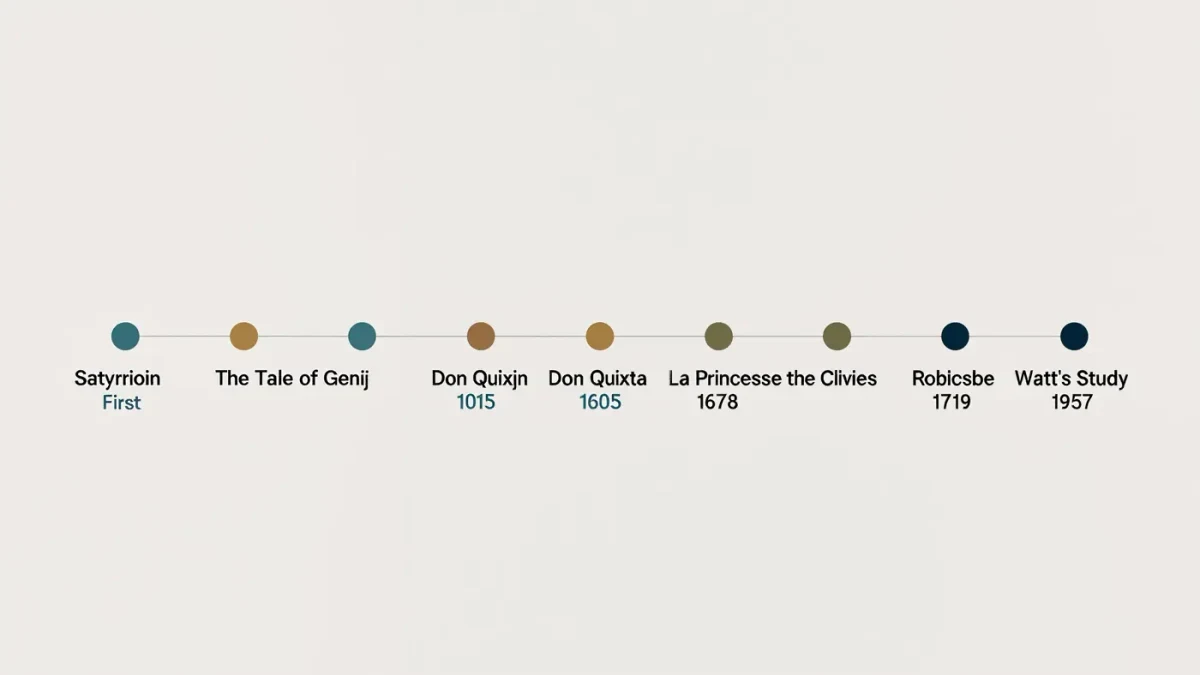
The first novel depends on the definition — The Tale of Genji (c. 1010), Don Quixote (1605) or Robinson Crusoe (1719) — and each answer reveals what the answerer wants novels to be.
The Index of Forbidden Books listed thousands of banned titles from 1559 until Paul VI abolished it in 1966 — Voltaire, Zola and Sartre included — and often worked in reverse.
Mudie’s Select Library, a circulating library founded in 1842, decided what Victorian England read by deciding what to stock — and killed the three-volume novel in 1894.
The Bay Psalm Book (1640) was the first book printed in English North America; eleven copies survive, and one sold at Sotheby’s in 2013 for $14.2 million.
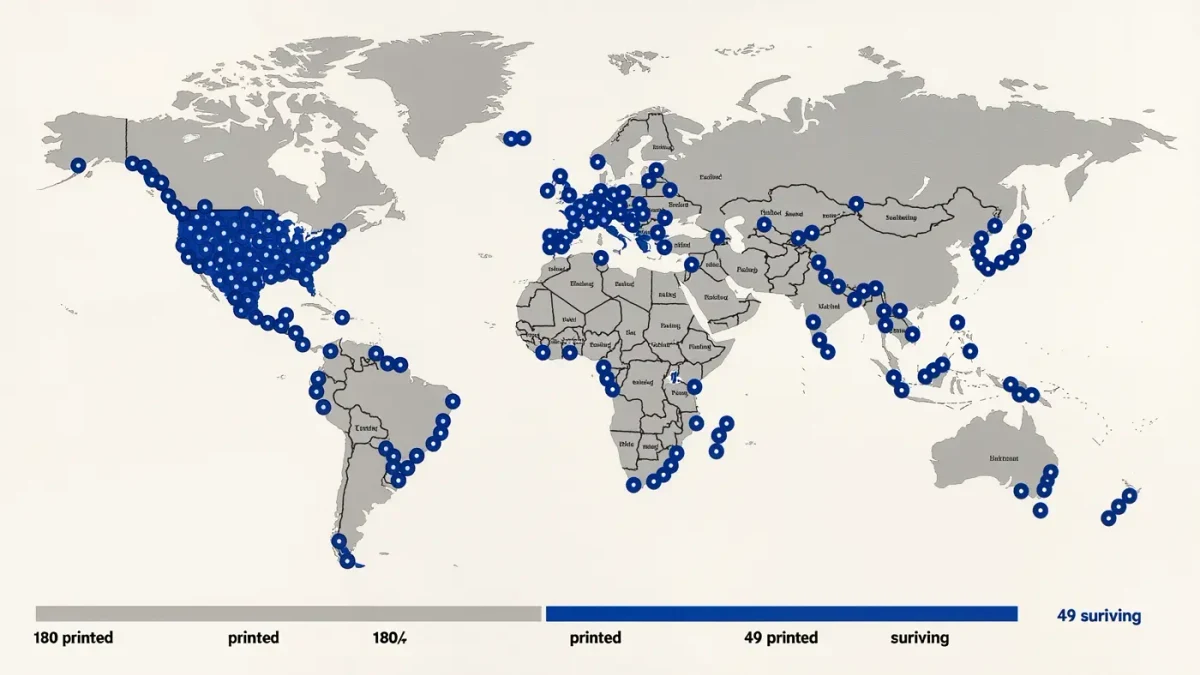
About 49 Gutenberg Bibles survive of the roughly 180 printed around 1455 — here is where the copies live, from the Library of Congress to Tokyo, and why they lasted.