Literature
The Story Inside the Story: A Reader's Guide to Frame Narratives
Why a tale told by someone else feels different from a tale told by nobody at all.
Essays on literature over time: the development of forms, what writers grouped into a movement genuinely shared, the effect of translation on a text, and why particular books survive their first reception. Historically grounded, written without jargon. For readers who enjoy criticism as much as fiction.
Why a tale told by someone else feels different from a tale told by nobody at all.
Seventy scholars just spent three days at Elon University arguing about how books become films. Here is what their panels show a reader can do with that argument.
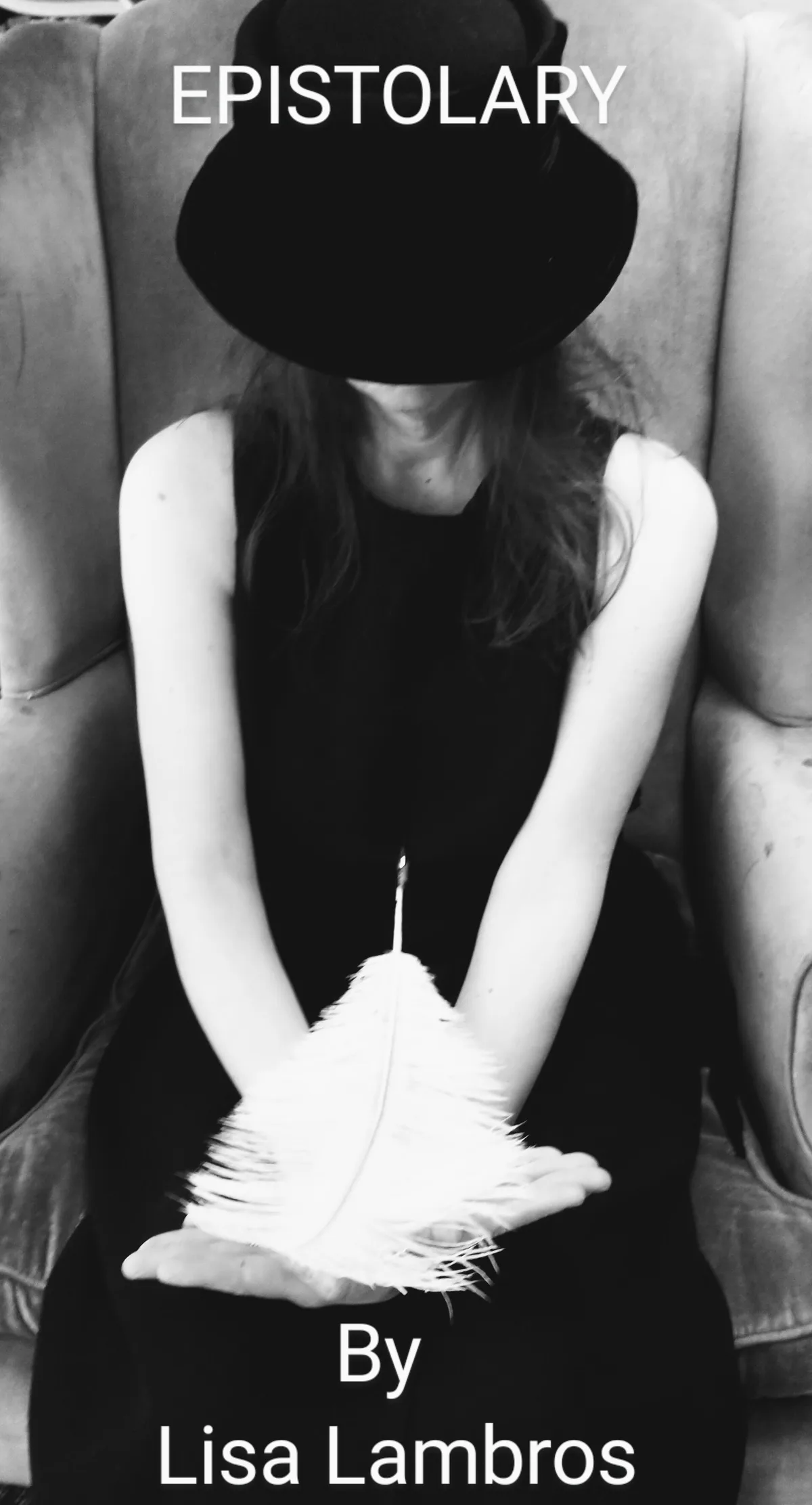
Novels told in letters still feel shockingly close. How the epistolary novel grew, the tricks that sell the illusion, and why the lies inside the mail hook readers.

A debut reading in Fountain Hills is a small event with a long history — and a useful case study in how new books find their first readers.
What fiction and poetry do for empathy and attention that feeds and algorithms cannot.

It is not a cozy afternoon with a novel. The academic sense of the phrase describes a survey of scholarship — and the gap between the two meanings trips up almost everyone.

Begin with *Beloved* (1987) — the Nobel citation's center of gravity — or read chronologically from *The Bluest Eye* (1970); the two orders serve two different readers.

The prize's glamour hides a blunt mechanism: a handful of judges, a submission fee, and a summer spent reading everything a publisher was willing to enter.
How to read a poetry collection: one full pass in printed order, with attention to the arc from first poem to last—Ariel (1965) to Native Guard (2006).
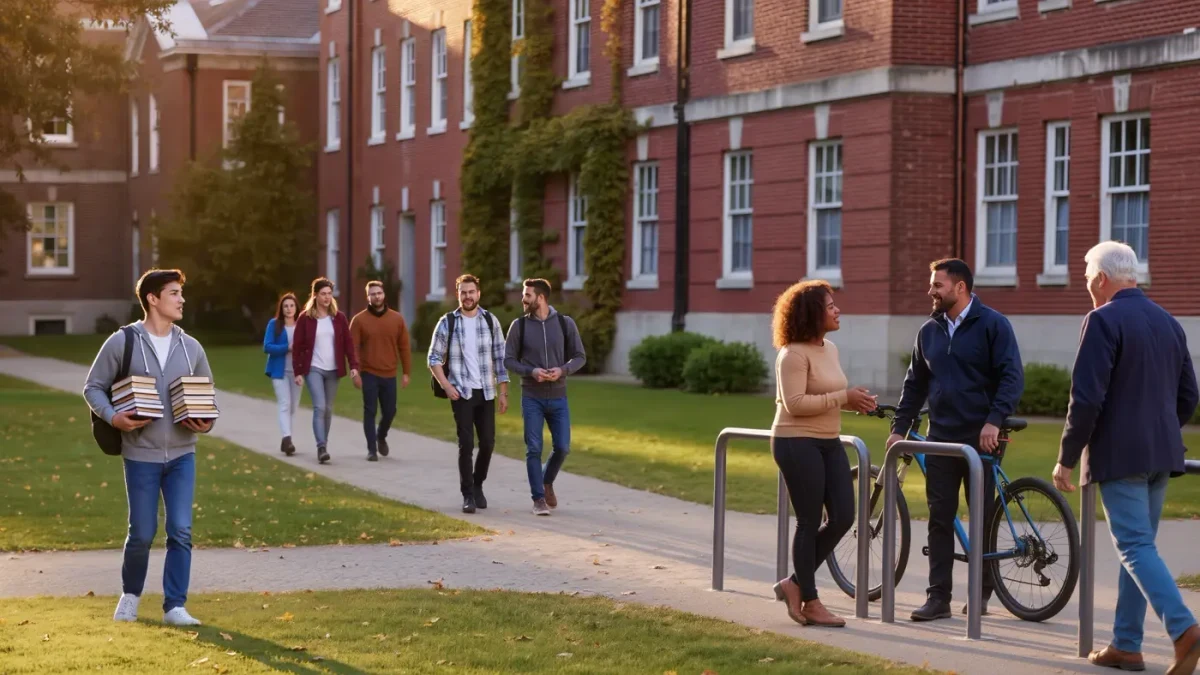
The campus novel turned the university into farce’s favorite village—from Lucky Jim (1954) to The Secret History (1992)—and satire has never moved out.