Reviews written after finishing the book, quoting enough to let a reader argue back. Each verdict states the ambition, assesses the execution, and places the title beside the work it descends from. Fiction, nonfiction and reissues all covered. For readers who want criticism with a position.
Before a single reader opens it, a book's fate is set by an anonymous trade apparatus of galleys, deadlines, and undisclosed rubrics — and the star on the jacket is a passport, not a verdict.
Constance Garnett, David McDuff, Pevear & Volokhonsky, and Oliver Ready make four different novels out of Crime and Punishment; a practical guide to choosing among them.
Virginia Woolf's A Room of One's Own (1929) argues a room into being; a rereading of the essay as the century's most complete work of literary criticism.
Kazuo Ishiguro's The Remains of the Day (1989), Booker Prize winner and the heart of his Nobel citation, reread as an audit of dignity narrated by its defendant.
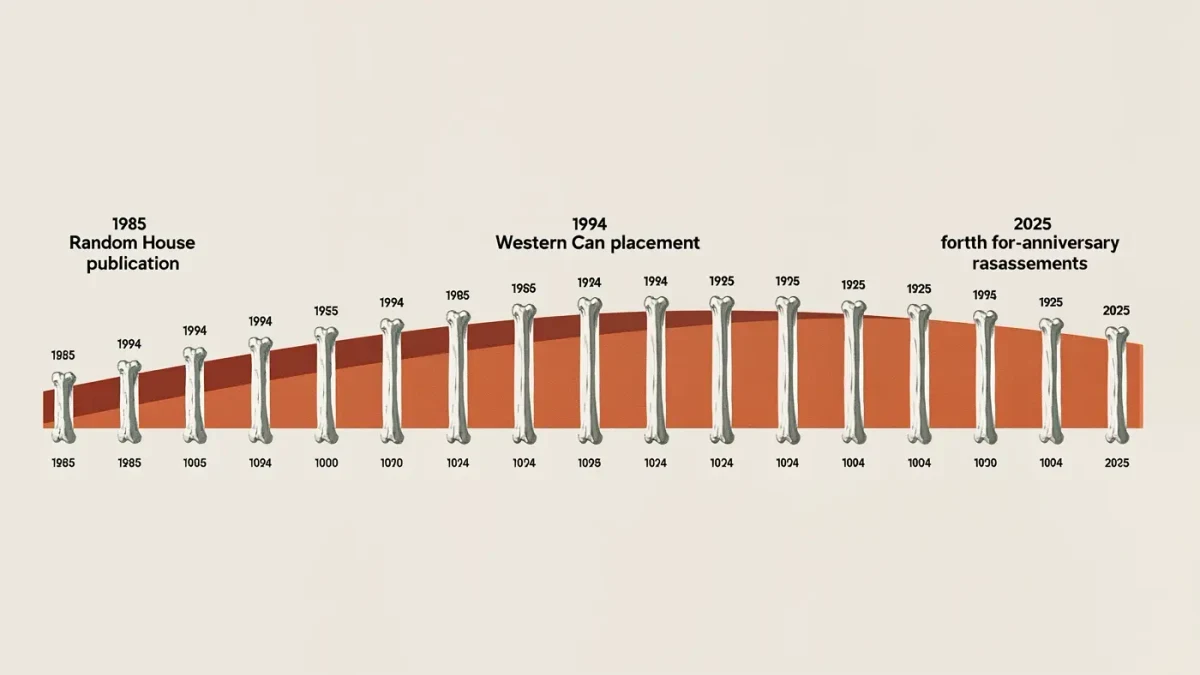
Cormac McCarthy's Blood Meridian (1985) was a public failure on release; a rereading traces its forty-year climb into the front rank of American novels — and warns against the reverence that climb produced.
Ursula K. Le Guin's The Left Hand of Darkness (1969) won the Hugo and Nebula while leaving its own genre baffled; a rereading finds its patience is now its rarest property.
Virginia Woolf's Mrs Dalloway (1925) perfected the novel of one day three years after Ulysses; a rereading finds the form was not a debt to Joyce but a verdict on plot.
The Great Gatsby sold fewer than 25,000 copies in Fitzgerald's lifetime; a rereading traces how a wartime paperback program carried the 1925 novel into the American canon.
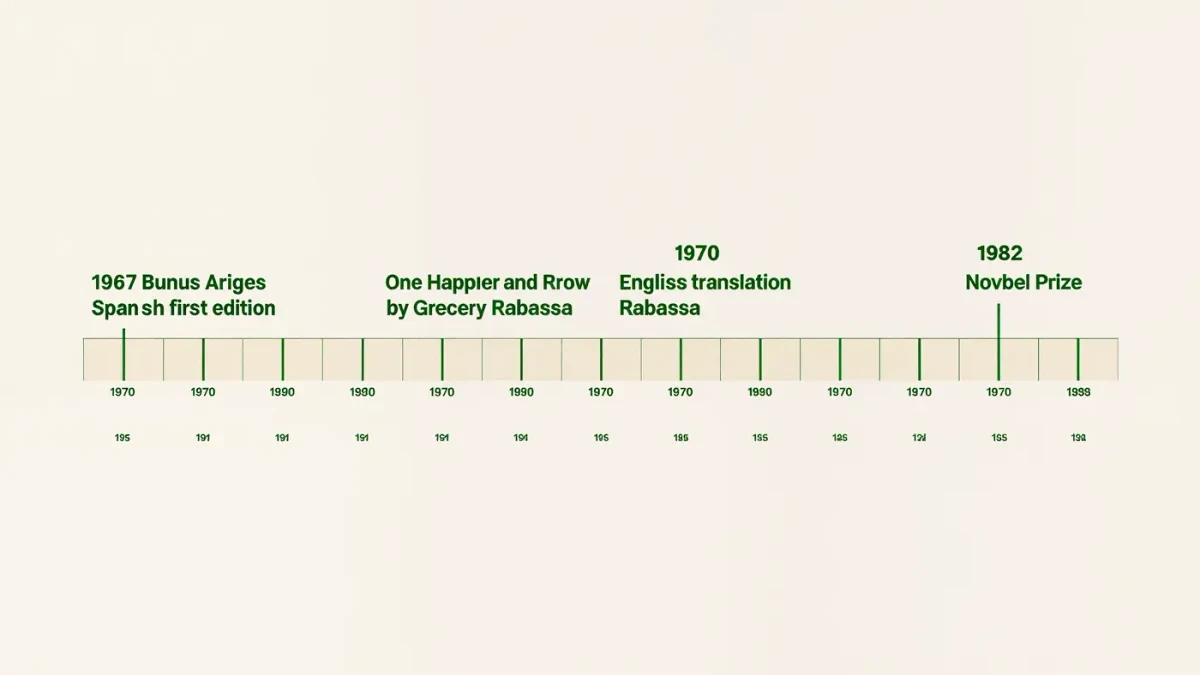
Gregory Rabassa's 1970 English version of One Hundred Years of Solitude became the book's second body — the author famously preferred it — and a rereading finds the praise deserved but misattributed.